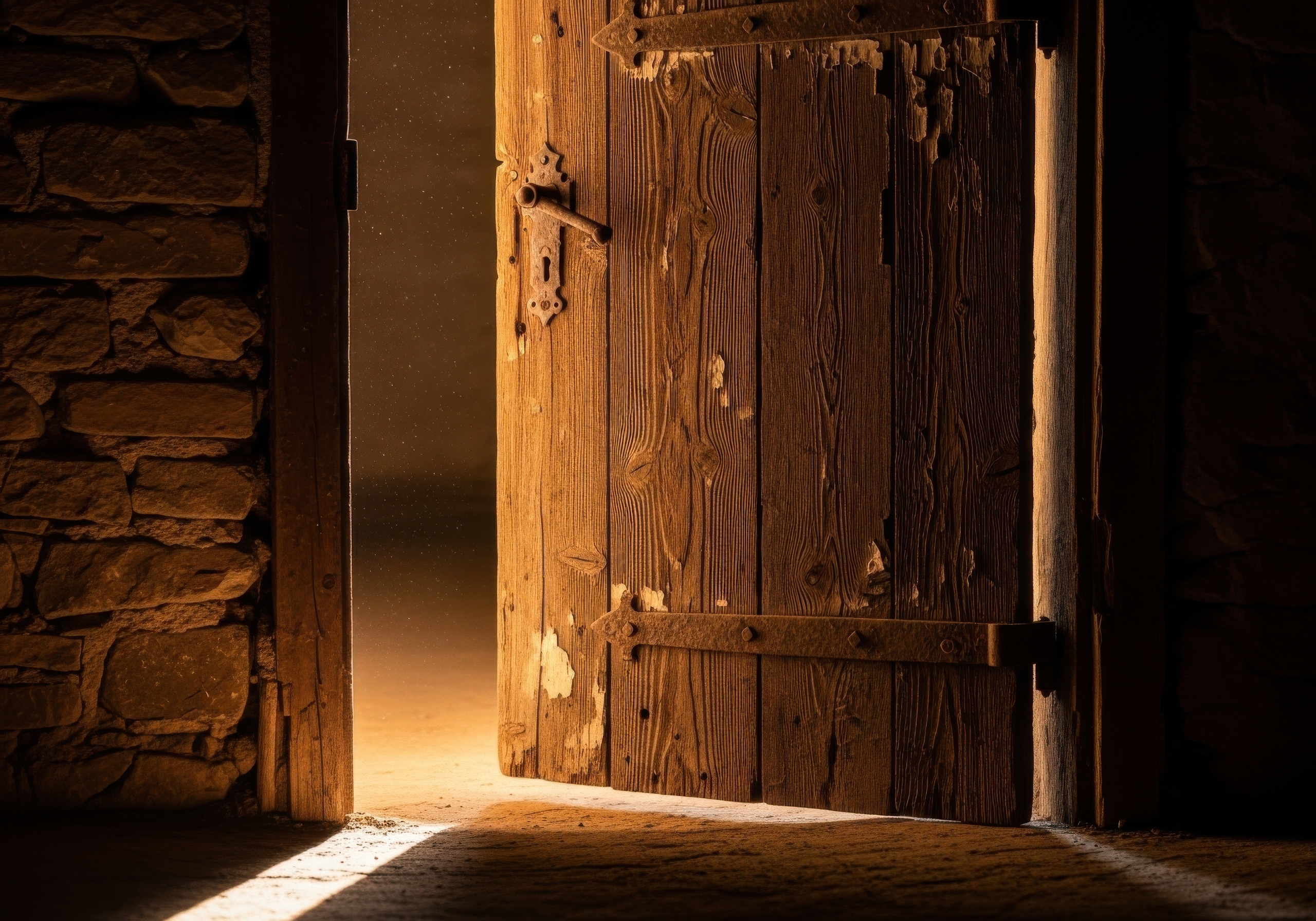
“The Mimic once turned into a door… and refused to open for three days.”
Mimics have feelings too. And as it turns out, this mimic’s main emotion is pettiness—followed closely by vengeance.
Our founding adventurer became quite busy after opening the tavern. As word spread of the performing Mimic, people came from far and wide to wonder and cheer. This left the old adventurer working to the bone—continually cleaning tables, pouring ale, and serving up questionable dishes.
The Mimic considered itself an equal and important business partner in this venture. After all, people weren’t coming for the food. In the beginning, things were great: the Mimic fed on good food, drank all the ale it wanted, and received adoration—and, most importantly, gold coins—from its loving fans.
But as popularity grew, so did the pressure of commerce. The founder introduced an ale budget for the Mimic, limiting its merriment; began feeding it leftovers, denying its satisfaction; and finally took half of the Mimic’s tips as earnings for the tavern—devastating its long-term plans for an early retirement.
The Mimic tried to do things properly, exploring legal avenues and official mediation. But the tavern owner wouldn’t listen, and the trade unions turned it away.
Left with no other option, the Mimic sat quietly after its performance one day, a plan fully formed in one of its minds. Once the tavern was empty, it hid—disguising itself as a coat hanger. The tavern owner sleepily cleaned the tables and polished the bar before absentmindedly leaving for the night, once again forgetting to feed the Mimic. How unsurprising.
Once the tavern master left, the plan was afoot. In one fell swoop, the Mimic devoured the front door and took its place. Thanks to nightly practice, the likeness was flawless.
Oh, what a surprise the tavern master had the next morning. As he went to unlock the door, the keyhole tried to bite him. Still groggy and half-asleep, the owner blinked a couple of times, processing. He tried again.
This time, the keyhole bit him.
Now it was clear: the tavern master’s “pet” was misbehaving. As he attempted discipline, the difference in opinion between pet and business partner became very clear. The Mimic demanded its tips, proper compensation, and better treatment. The owner tried to explain he would pay up—if he could just get to his chest. But the Mimic was having none of it.
One short-term business loan later, the owner returned and met the Mimic’s demands.
Ever since, they have worked together as equal partners, with the owner ensuring the Mimic’s ale is a little fuller, the food a little warmer, and the tips from its performances left entirely untouched.
Cover Image: Old Stock photos by Vecteezy